
They Were Losing 4 to 6 Hours Every Time They Built Firmware
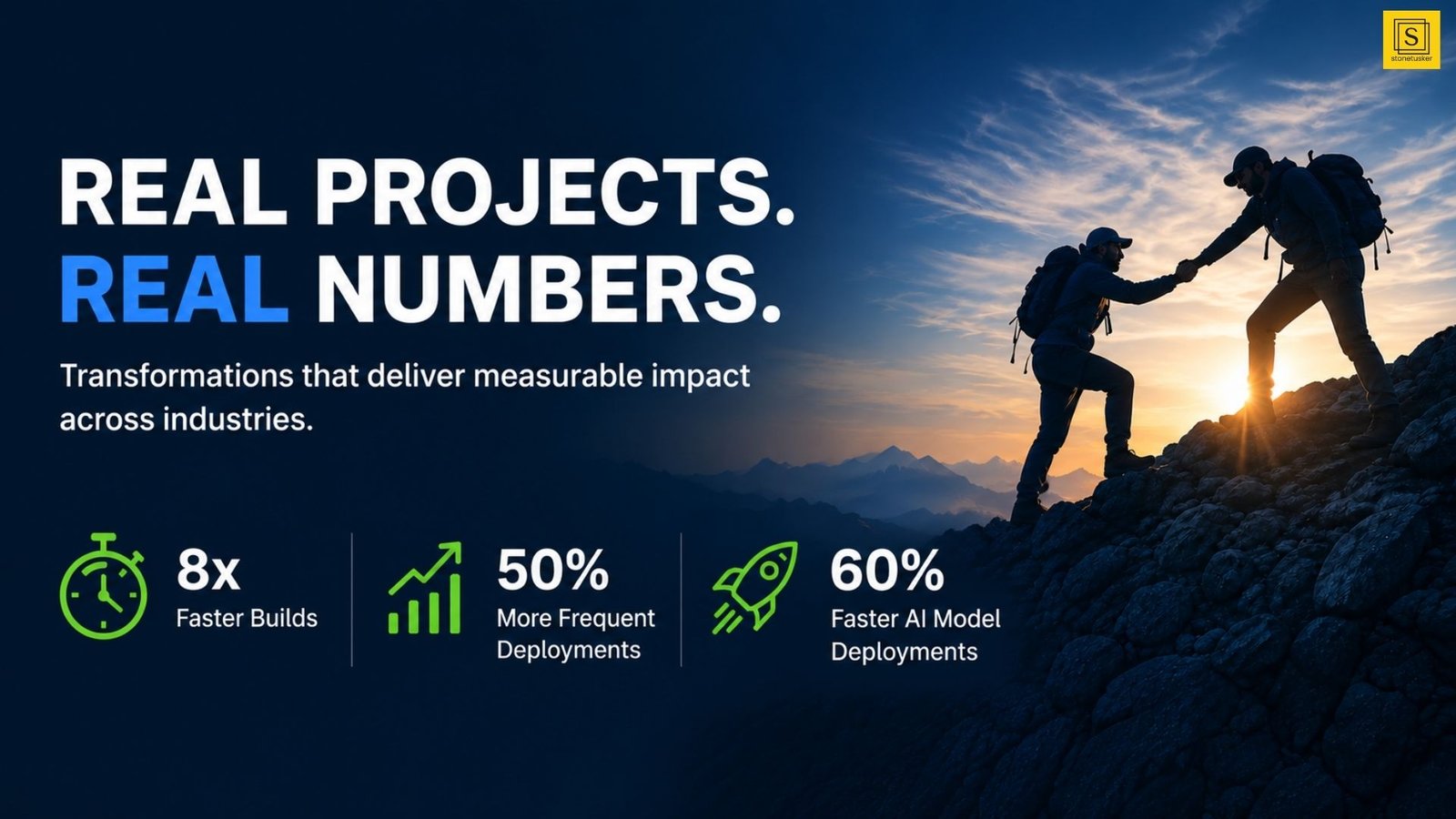
Their engineers, at a global audio device manufacturer, were spending up to six hours building each firmware image by hand. Every build and related activities release was done manually. No proper version control, no visibility into what was happening, and a product portfolio that kept growing. We rebuilt the whole process. The same build now runs in 45 minutes on its own, while the team works on something else.
- 8x Faster builds. Was 4 to 6 hours. Now 45 minutes.
- Zero Manual steps needed to run a build
- On-demand Releases. They used to ship monthly and on a fixed schedule.
- Near zero Error rate. Previously high on every release.
Background
A global manufacturer of audio devices came to us with a build problem they’d been living with for a while. Every new firmware release meant an engineer sitting down and running the Yocto build by hand. One image took between four and six hours. That was just the build itself, before any testing or release work.
The team had no central build machine & process and they were planning to migrate to cloud, and no record of what had changed between builds. If something broke, figuring out why took time they didn’t have. And their product line was growing, planning to achieve is a compliance certification like ISO 27001, which meant the problem was only going to get worse.
What They Were Dealing With
- No traceability of binary artifacts and standard SCM and Release engineering practies like no record of what changed between builds.
- Every build was done by hand. Errors crept in regularly and were hard to trace.
- Leadership had no visibility into build status. Release managers were chasing engineers for updates.
- Six-hour builds meant the engineering team was stuck waiting, not shipping. With a growing product portfolio, this wasn’t sustainable.
What We Did
- Moved the codebase to GitHub and set up proper version control, branch policies, and team workflows. Everything the team should’ve had to begin with.
- Built automated Yocto build pipelines using GitHub Actions. Every code push now triggers a full image build automatically. Nobody has to start it.
- Added proper logging and monitoring so engineers and leadership can see exactly what’s happening during a build and debug failures quickly when they occur.
- We identified the optimal Azure configuration to host the build process, delivering a smooth cloud migration while keeping infrastructure costs to a minimum.
Before and After
| Metric | Before | After |
|---|---|---|
| Build duration | 4 to 6 hours | 45 minutes |
| Process type | Manual, done by hand each time | Fully automated |
| Error rate | High, on every release | Near zero |
| Release frequency | Monthly, fixed schedule | On-demand, whenever they need |
| Dedicated build infra | Local laptop | Builds happening in Azure Cloud, Secure. |
| Build traceability | None | Full, versioned cloud storage |
How we measured it: build duration compared directly, same hardware target, before and after the pipeline went live. All those builds were able to execute via Github Action UI fully automated
Business Impact
At 20 builds a month, that's roughly 20 × 5 hours of engineering time returned to feature work instead of babysitting a build. This is huge saving, just run TuskerGain for a defensible estimate.
What the client said
Stonetusker helped us move from a manual Yocto build process to a fully automated, cloud-based pipeline. Our engineering team now releases faster, with complete visibility and far less manual effort.
Vice President of Engineering Global Audio Device Manufacturer